The Weirdly Interesting Life of Sea Cucumbers
They walk, they swim, they clean the ocean floor, and when things get bad, they throw their guts at you.
Picture an animal that walks on hundreds of tiny hydraulic legs, can shoot toxic silly string at you, throws its own guts at predators and grows them back, breathes through its butt, and quietly keeps the sand on coral reefs clean. Now picture it looking like a pickle. That is a sea cucumber.
The prediction markets turned out to be right, by the way. Kalshi’s favourite won 479 of 487 races, and after a week of politics, gambling and data science I needed to switch sciences entirely. So today’s randomest of random things I learnt about is the weirdly interesting life of sea cucumbers.

Not just logs on the sea floor
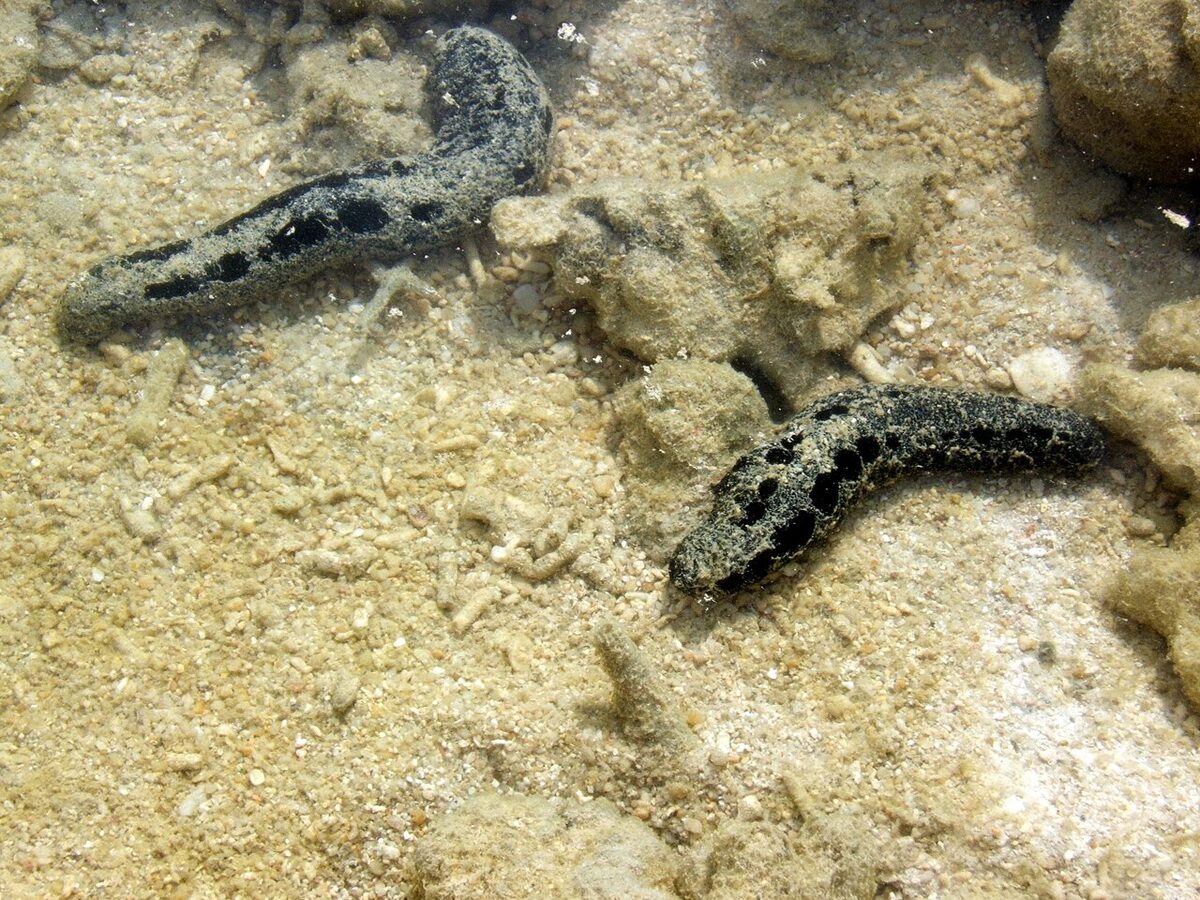
I genuinely thought sea cucumbers were just logs lying around on the sea floor. It turns out they are echinoderms, the same group of animals as starfish and sea urchins, with their own class called Holothuroidea. There are roughly 1,700 to 1,800 known species, and they look so different from each other that it is hard to believe they are all the same kind of animal.

They walk, and some of them swim
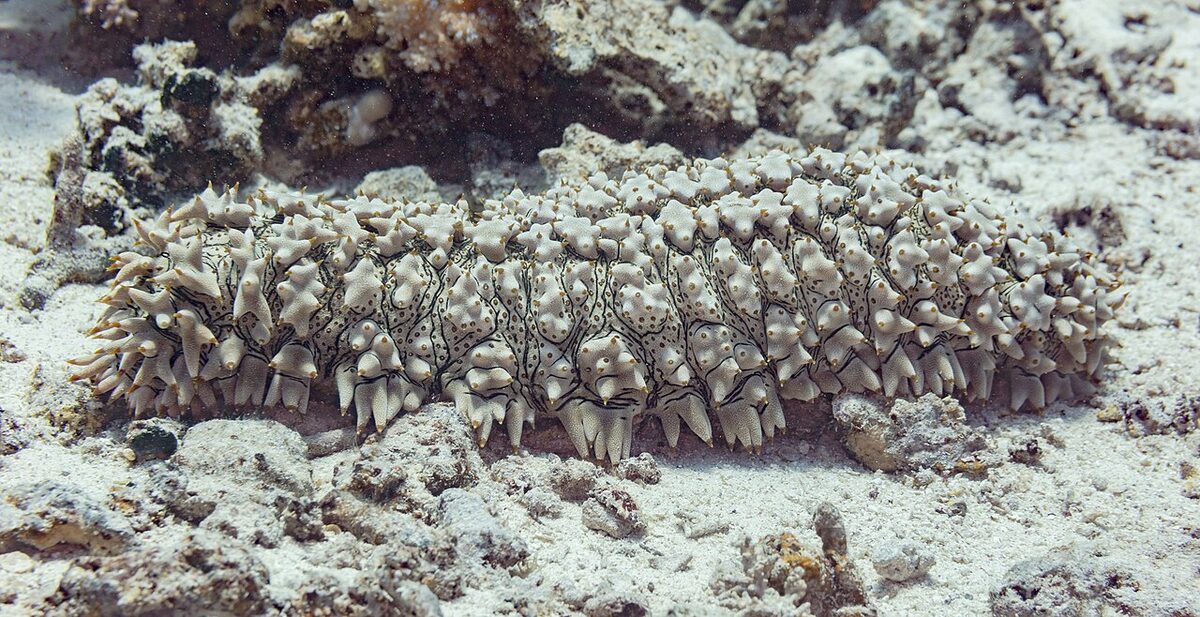
They also move. Many sea cucumbers walk on rows of tiny tube feet, little fluid-filled legs powered by a hydraulic system inside their bodies, and the black sea cucumber uses three rows of them for walking and climbing. Others barely use their feet and instead crawl like a slow wave, squeezing the muscles of their body from one end to the other.
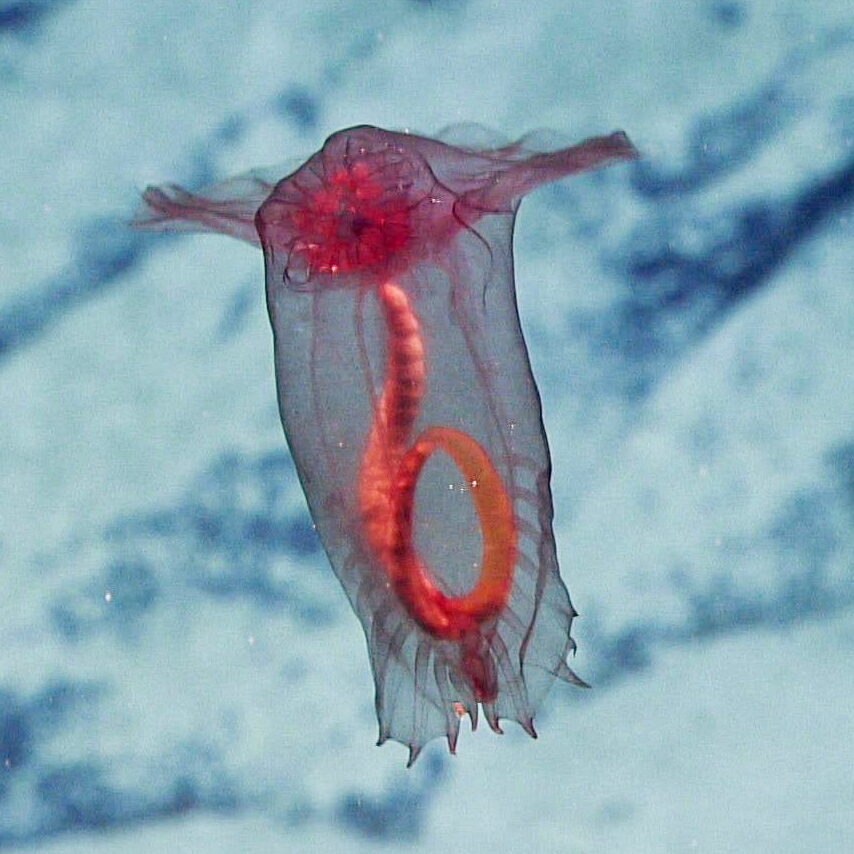
And some of them swim. Deep in the ocean lives Enypniastes eximia, nicknamed the headless chicken monster, which pulses fin-like flaps to lift off the sea floor and swim away from danger or towards food.
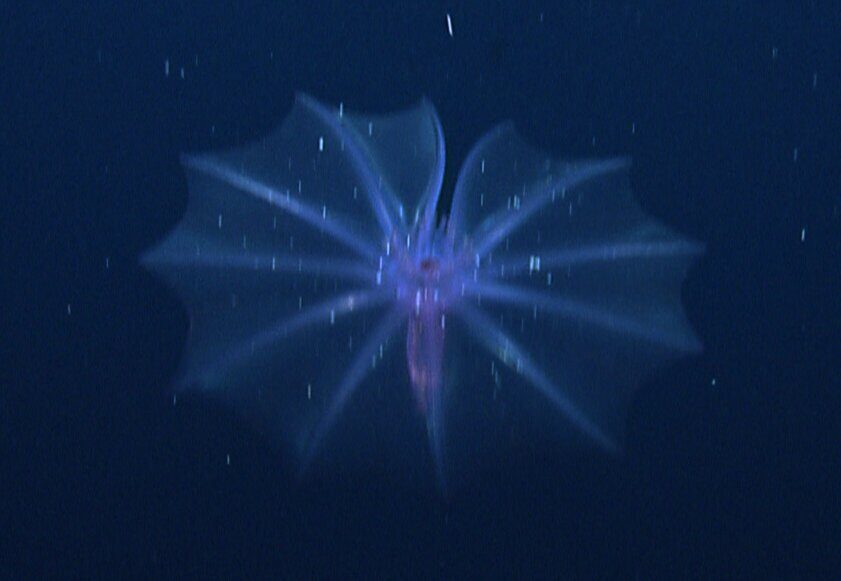
Then there is Pelagothuria natatrix, shaped like an umbrella, which drifts through open water almost like a jellyfish. It is the only sea cucumber known to spend its whole life floating, and in fact the only echinoderm known to do so.
The ocean’s Roomba
Most sea cucumbers are the clean-up crew of the ocean. They swallow sand and sediment, digest the dead and decaying matter and bacteria mixed into it, and poop out cleaner sand. Imagine the floor of your room covered in chip crumbs, and your whole job is to hoover them up while chilling. A giant ocean Roomba.
So whose sand are they cleaning? Not the quartz sand on many beaches, which mostly comes from rocks and mountains worn down over millions of years and carried to the coast by rivers. But on coral reefs, the soft white sand is largely made by animals. Parrotfish scrape coral with their beaks and grind it down, and up to 70% of the sand on white beaches in Hawaiʻi and the Caribbean may have passed through a parrotfish. Then the sea cucumbers take over. On a reef at Lizard Island in the Great Barrier Reef, just two species were estimated to swallow more than 46 tonnes of sediment per hectare each year, enough to rework the top 5 mm of the entire reef’s sand every single year. In other words, parrotfish make the sand and sea cucumbers clean it.
The scale is wild. On a single reef, researchers used drones to count sea cucumbers and estimated that they process over 64,000 tonnes of sediment every year, with one common species getting through about 14 kg each. Churning the sand like this aerates it and releases nutrients back into the water, where the rest of the reef can use them, and a 2024 study even found that removing sea cucumbers from reefs increased coral disease.
Their defences are unhinged
When a predator gets too close, some sea cucumbers shoot out Cuvierian tubules, thin white threads that stretch to many times their length and become incredibly sticky on contact, like toxic silly string. They are laced with a toxin called holothurin, and a small animal that gets tangled up in them can be trapped for good.
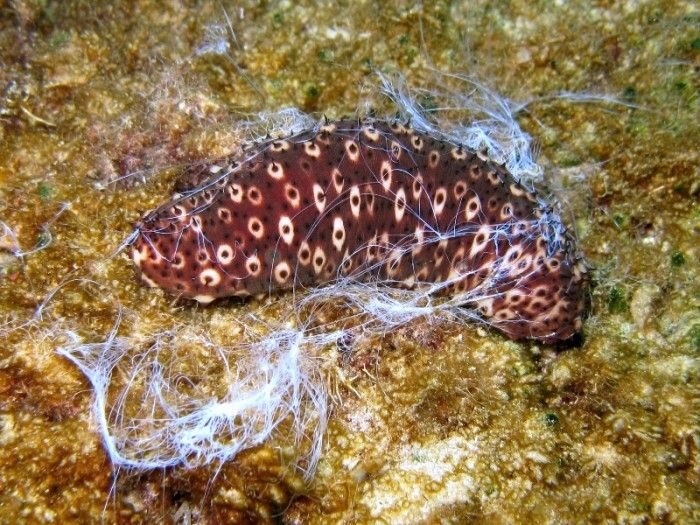

Others go even further and push their own guts out, often through their rear end, in a process called evisceration. The predator gets something to chew on while the sea cucumber slowly crawls away. And then it simply regrows the missing organs, usually within a few weeks.
One more thing
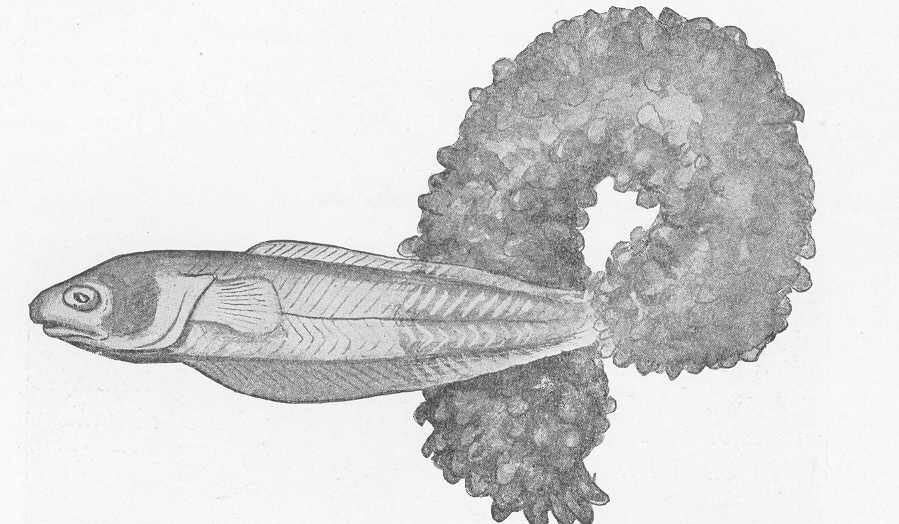
Sea cucumbers breathe through their butts. They pump water in through the anus into a pair of internal tubes called respiratory trees, which pull out the oxygen. And because there is a steady flow of water going in and out, a fish called the pearlfish has figured out it can just move in and live there, with one leopard sea cucumber found hosting 15 of them at once.

The next time you walk on white sand at a beach, remember that a parrotfish probably made it and a sea cucumber probably cleaned it. Honestly, I will never look at a sea cucumber the same way again.